Information
Landmark: St. Sophia CathedralCity: Harbin
Country: China
Continent: Asia
St. Sophia Cathedral, Harbin, China, Asia
Overview
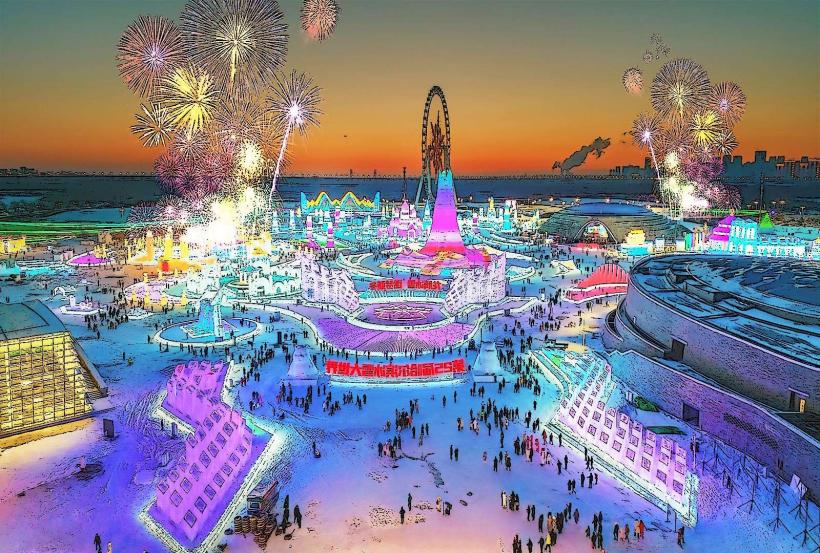
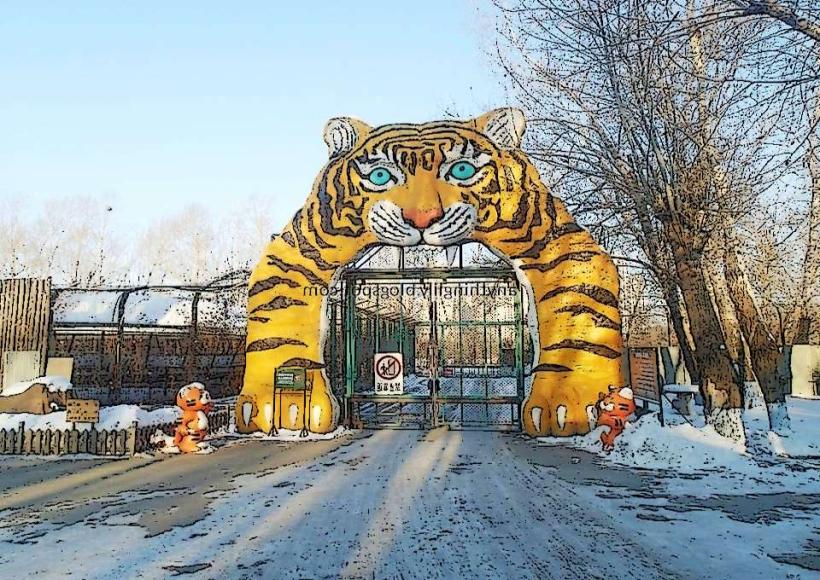
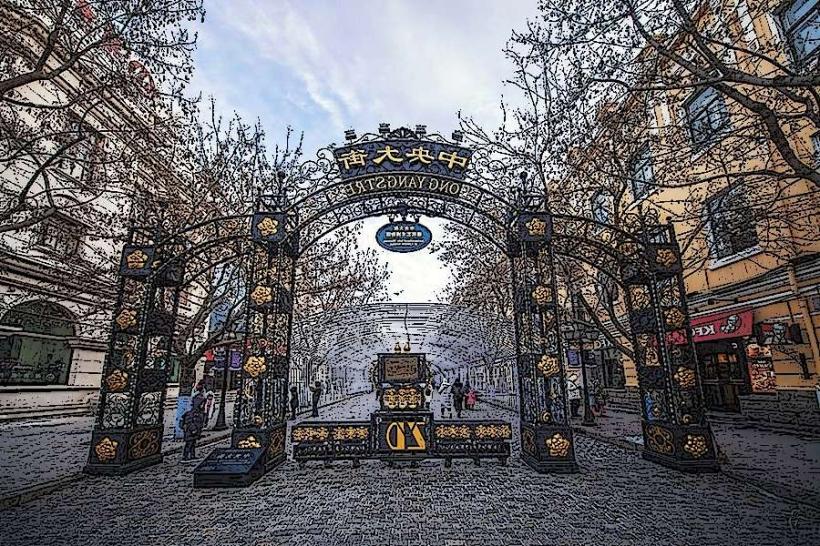
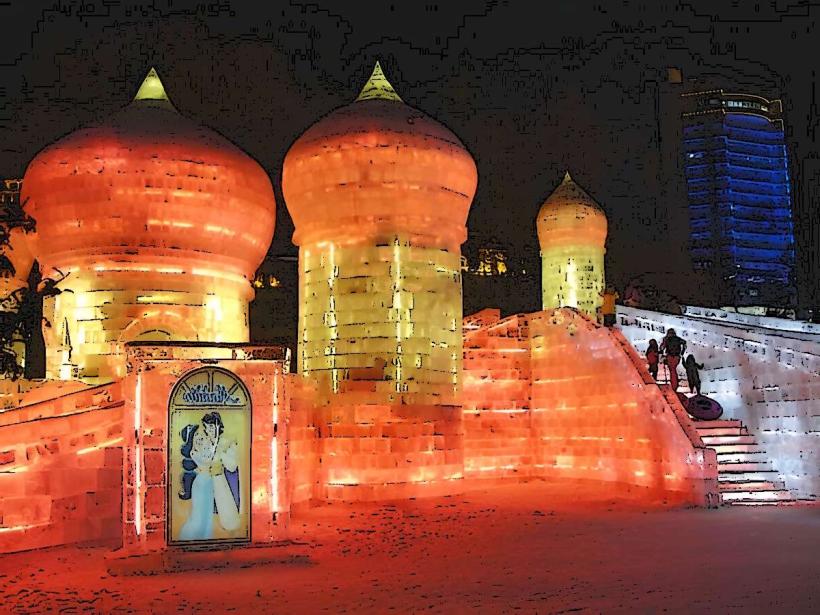
Just so you know, St, at the same time sophia Cathedral (圣索非亚大教堂, Shèng Suǒfēiyà Dà Jiàotáng) stands in the heart of Harbin, Heilongjiang Province, its green dome and red brick walls marking it as one of the city’s most storied landmarks.St, as a result sophia Cathedral, with its striking green domes and Russian Byzantine design, stands as one of the city’s most essential religious and cultural landmarks, a lasting reminder of Russian influence in Harbin during the late 1800s and early 1900s, more or less Believe it or not, The cathedral stands in the heart of Harbin, just steps from Zhongyang Pedestrian Street-Central Street-where shop windows glow at night in one of the city’s best-known districts, in addition right in the heart of the city, it’s just a short roam for both visitors and residents to reach.St, in conjunction with sophia Cathedral, built in 1907 by the Russian Orthodox Church, rose alongside Harbin’s bustling Russian community when the city was a key stop on the Chinese Eastern Railway, a grand project bankrolled by the Russian Empire.The cathedral showcases the Russian Byzantine style, with soaring domes that gleam in the light, tall arched windows, and rich, intricate detailing, then the church is best known for its glowing green, onion-shaped dome, a hallmark of Russian Orthodox design.In a way, The building’s made of sturdy red brick, with its exterior dressed in intricate carvings and shimmering mosaic tiles, on top of that a towering central dome dominates the view, with smaller domes standing close on either side like quiet sentinels.Step inside the cathedral and you’ll find it just as breathtaking-soaring ceilings arch overhead, and vivid religious icons glow in the soft light, at the same time inside, rows of Orthodox Christian icons glow beside faded frescoes, reflecting the Russian Orthodox faith and the artistry of that era.The altar glimmers with intricate carvings and gold leaf, its design steeped in the rich patterns of the Eastern Orthodox tradition, at the same time in its later years, the church was renovated, blending touches of Chinese grace with solid Western lines, like a curved red roof set above stone archways.Interestingly, Sunlight pours through the stained-glass windows, scattering pools of color across the stone floor and deepening the cathedral’s otherworldly calm, while the cathedral rises as a vivid reminder of Russia’s strong presence in Harbin during the early 20th century, when streets bustled with Russian expatriates and immigrants.Harbin became a center of Russian culture and Orthodox faith, which led to the building of St, then sophia Cathedral-a site where the local Russian Orthodox community gathered under its green domes to worship.During this time, the church became a key bridge between Russia and China, exchanging songs, stories, and traditions that reflected the nations’ deep bond, in turn built for the Russian Orthodox community, St. Sophia Cathedral once echoed with hymns and incense, serving as a vibrant destination of worship for many years, alternatively in Harbin, it stood as one of the few Russian Orthodox churches, its onion-shaped domes drawing the city’s Russian community to gather, worship, and keep their traditions alive.In 1966, at the height of the Cultural Revolution, the church locked its doors, and worship fell silent, then the building slipped into disrepair, its paint peeling in long curls, and over the years people turned the dusty interior to all sorts of uses, even a warehouse.After the Cultural Revolution ended, workers repaired St, consequently sophia Cathedral’s crumbling walls and, in time, it opened its doors again-this time as a museum.Today, it’s home to the Harbin Architecture Art Museum, where visitors browse exhibits on the city’s history and buildings, especially those shaped by its Russian colonial past-faded brick arches and ornate facades included, in conjunction with the museum showcases the city’s architectural heritage, the Russian Orthodox Church, and Harbin’s historical growth, along with faded photographs and brittle documents from the years when the streets echoed with Russian voices, relatively St, in addition sophia Cathedral usually welcomes visitors from 8 a.m. To 5 p.m, though the schedule can shift with the seasons or during special events like holiday concerts, besides visitors can wander the cathedral’s grounds, now a favorite for tourists and photographers drawn to its graceful arches and sunlit stone, for the most part Curiously, You’ll usually need to pay an admission fee to step inside the cathedral and explore the museum tucked within its stone walls, after that the fee keeps the lights on, repairs the creaking floors, and funds the work that preserves this historic landmark.Prices change, so check ahead-one shop might charge ten dollars, another fifteen, alternatively you’re welcome to take photos in most areas of the cathedral and out on the surrounding grounds, from the echoing nave to the quiet garden paths, generally As it happens, With its glowing green dome and intricate carvings, the building’s exterior draws photographers year-round, but in winter, fresh snow clings to the details and makes the architecture even more striking, meanwhile events and Services: The cathedral no longer offers regular worship, but now and then it opens its doors for special occasions-an Orthodox Easter lit by flickering candles, or a vibrant evening of music and dance, more or less Interestingly, Before you go, glance at the local event calendar-you might spot a street fair or concert happening while you’re in town, consequently just a few minutes from the cathedral, Zhongyang Pedestrian Street bustles with life, its historic facades standing beside lively shops and the warm glow of café windows, in some ways The area blends Russian and European-style architecture, with ornate domes beside elegant stone facades, making it a perfect stop after visiting St, after that sophia Cathedral.If you’re in Harbin in winter, don’t miss the International Ice and Snow Sculpture Festival, where towering castles of glittering ice light up the night, therefore you’ll often find the festival’s ice and snow sculptures set up beside the cathedral, their crisp white forms gleaming against the church’s ornate stonework.Siberian Tiger Park draws wildlife lovers to Harbin, where you can watch massive striped tigers prowl through tall grass in a semi-natural habitat, besides st. Sophia Cathedral stands out in Harbin’s skyline, its green domes and brick walls telling the story of the city’s Russian-influenced past, likewise its sweeping Byzantine domes, layered with red brick and gold trim, embody Harbin’s rich history and stand as a proud symbol of the city’s rare mix of Chinese and Russian heritage.If you’re drawn to architecture, history, or faith, don’t miss St, in addition sophia Cathedral when you’re in Harbin-the green domes alone will stop you in your tracks.
Author: Tourist Landmarks
Date: 2025-09-16